The Play-In Tournament: Boosting Engagement and Competitive Balance in Modern Sports
The landscape of professional sports is constantly evolving, with leagues and governing bodies seeking innovative ways to captivate audiences and ensure sustained competitive intensity. Among the most impactful recent innovations is the introduction and widespread adoption of the
Play-In Game or Play-In Tournament. Far from being a mere preliminary round, this high-stakes format has reshaped the race for postseason berths, injecting unparalleled excitement into the tail end of regular seasons and offering a lifeline to teams on the bubble. It's a strategic stroke of genius designed not only to boost engagement but also to foster a more dynamic and competitively balanced environment across the board.
What Exactly is a Play-In Game? Defining the Gateway to Main Tournament Qualification
At its core, a
play-in game is a preliminary competition designed to determine the final qualification spots or seeding for the main portion of a tournament or playoff bracket. Traditionally, these games involve teams that have either barely missed automatic qualification or have earned a conditional right to compete for a spot. Instead of a straightforward elimination based solely on regular-season standings, the play-in offers a dramatic, often single-elimination, pathway forward.
Consider the strategic advantages this setup creates. For the top-tier teams, direct qualification remains a coveted prize, granting them precious rest and the opportunity to fine-tune their strategies without the immediate pressure of an elimination game. This is a significant competitive edge, allowing them to conserve energy while lower-seeded contenders extend themselves in gruelling, do-or-die matchups. Furthermore, teams that successfully navigate the play-in gauntlet often face the daunting task of beginning the main tournament against the highest qualifier, frequently on the road, adding another layer of challenge.
Beyond just the drama, the play-in mechanism solves a practical problem for tournament organizers: accommodating a number of teams that isn't a power of two. Rather than granting complex byes in the main bracket, play-in games efficiently whittle down the field to a symmetrical number, streamlining the tournament structure. More importantly, it provides a crucial incentive for a wider array of teams to continue competing fiercely throughout the season. Teams that might otherwise have been eliminated from contention well before the regular season concludes are now motivated to fight for a
play-in berth, keeping fan interest alive for longer. To delve deeper into the fundamental mechanics and broader applications of this format, explore our detailed guide:
Play-In Games Explained: Your Gateway to Main Tournament Qualification.
The NBA's Play-In Tournament: A Masterclass in High Stakes
While various sports contexts, such as the NCAA Division I Men's Basketball Tournament's "First Four" games, utilize play-in concepts, the National Basketball Association (NBA) has arguably implemented the most prominent and high-impact
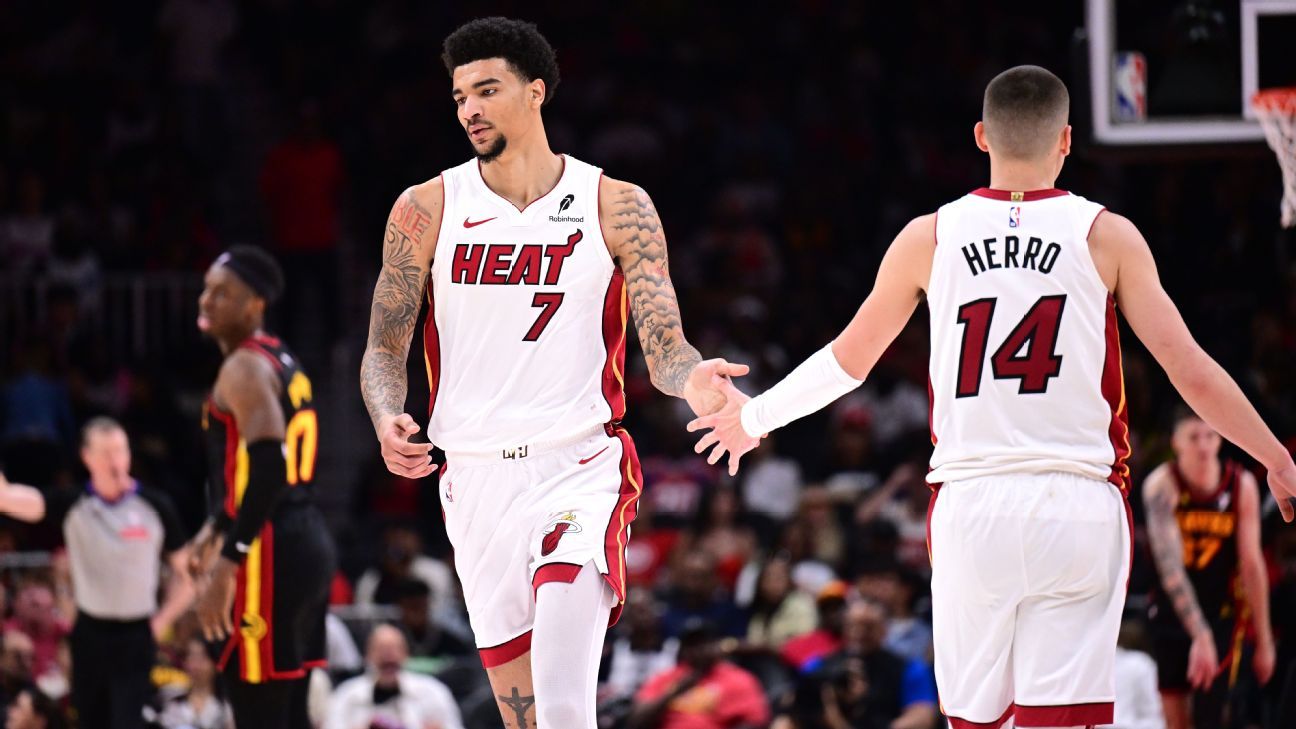
Play-In Tournament. This annual event has become a cornerstone of the league's postseason structure, creating must-watch television and redefining the race for playoff spots.
The NBA's journey with the play-in began as an experimental format during the COVID-19 shortened 2019–20 season. Initially, it featured a decisive single game between the ninth and tenth-place teams in a conference to claim the eighth seed. Its immediate success in generating viewership and excitement prompted its expansion in the 2020–21 season to include four teams per conference (seeds 7 through 10), serving as a trial that undeniably boosted late-season engagement. Following overwhelmingly positive feedback from fans, players, and media alike, the league's Board of Governors approved it as a permanent fixture starting in the 2021–22 season, now prominently sponsored as the SoFi NBA Play-In Tournament.
The structure of the NBA Play-In Tournament is specifically designed for maximum drama. In each conference, the No. 7 seed hosts the No. 8 seed. The winner of this game immediately clinches the No. 7 playoff position. Meanwhile, the loser gets a critical second chance. Simultaneously, the No. 9 seed hosts the No. 10 seed in an elimination game; the loser of this contest is out. The winner of the No. 9 vs. No. 10 matchup then travels to face the loser of the No. 7 vs. No. 8 game, with the victor of this final high-stakes showdown claiming the No. 8 playoff seed. The team that loses this second chance game is eliminated. This format ensures that even teams that finish as high as seventh or eighth seed still have to fight for their spot if they can't win their first play-in game, while ninth and tenth seeds are given a realistic, albeit challenging, path to the postseason. The tournament has consistently delivered memorable moments, from underdog upsets to star players delivering career-defining performances under immense pressure. For an in-depth look at the specific scenarios and outcomes of this captivating event, be sure to read:
NBA Play-In Tournament: High Stakes for 7th-10th Seeds.
Why Play-In Games Are a Game-Changer for Sports Leagues
The rise of the
Play-In Game format isn't merely a fleeting trend; it represents a fundamental shift in how sports leagues approach the intersection of regular-season competition and postseason qualification. Its benefits extend far beyond generating a few extra games:
* **Unprecedented Engagement & Viewership:** By expanding the number of teams with a realistic postseason aspiration, play-in games extend the period of meaningful competition deep into the regular season. No longer are the final weeks plagued by "dead rubber" games; instead, countless matchups become crucial for teams battling for positioning, not just for automatic berths but also for the critical home-court advantage or even just to make it into the play-in bracket. This sustained intensity naturally translates to higher viewership and fan interest.
* **Combating Tanking:** One of the most significant criticisms in leagues without a relegation system is the incentive for struggling teams to "tank" – deliberately losing games to secure better draft picks. The play-in game dramatically mitigates this. Teams that might have previously packed it in if they were, say, 11th in their conference, now have a compelling reason to fight for that 10th or even 9th spot, offering a chance to turn their season around. This keeps more teams competitive for longer, ensuring a higher quality of play throughout the schedule.
* **Enhanced Competitive Balance:** The play-in rewards late-season surges and penalizes complacency. A team that starts slow but builds momentum can leverage a strong finish to earn a playoff shot, regardless of early-season struggles. Conversely, a team that coasts in the final weeks, even if higher seeded, can find themselves in a precarious position, facing do-or-die elimination games against hot opponents. This dynamic fosters a healthier competitive ecosystem where every game and every win matters more.
* **Strategic Nuances for All Teams:** The play-in introduces fascinating strategic considerations. Higher seeds, while enjoying rest, must also contend with the possibility of facing a red-hot opponent coming off a pressure-packed victory. Lower seeds, while physically exerting themselves, build invaluable experience in high-leverage situations, often arriving at the main tournament with significant momentum and a hardened mentality.
Tips for Teams and Fans: Navigating the Play-In Landscape
For both participants and observers, understanding the nuances of the
Play-In Tournament can enhance the experience significantly.
* **For Teams (Strategic Imperatives):**
*
Momentum is Key: Unlike traditional playoff series where a team might shake off rust, the single-elimination nature of play-in games means recent performance carries immense weight. Teams entering on a winning streak, especially lower seeds, often perform better under pressure.
*
Embrace the Pressure: Coaches and players must approach play-in games with a playoff mentality from the outset. There's no margin for error, and mental fortitude is as crucial as physical talent.
*
Home Court Advantage Matters: For the 7th and 9th seeds, securing home court in the initial play-in matchups can be a significant psychological and environmental boost.
*
Scouting is Paramount: With less time for extensive series preparation, quick and accurate scouting of potential opponents becomes vital for play-in teams.
* **For Fans (Maximizing Engagement):**
*
Spot the Upsets: The play-in format is ripe for upsets. Keep an eye on teams with strong recent form, star players capable of taking over a single game, or surprising matchups that could favor the underdog.
*
Follow the Narratives: Each play-in game tells a compelling story. Is it a veteran team fighting for one last run? A young squad announcing their arrival? A star player trying to carry their team into the postseason? These narratives add depth to the viewing experience.
*
Appreciate the Stakes: Understand that every possession, every foul, every timeout in a play-in game is magnified. The consequences are immediate and often season-ending, creating an unparalleled intensity.
*
Look Beyond the Final Seed: While the 7th and 8th seeds are the prizes, the journey through the play-in tournament often produces incredible individual performances and team resilience that are worth celebrating, regardless of the ultimate outcome.
The
Play-In Game has cemented its place as a dynamic and integral component of modern sports tournaments. By ingeniously balancing direct qualification with a high-stakes preliminary round, it has not only enhanced competitive balance and addressed structural challenges but has also supercharged late-season engagement and viewership. From its experimental origins to its permanent status, the play-in has proven itself a vital innovation, promising continued drama, unexpected heroes, and captivating basketball for years to come. As leagues continue to seek ways to keep their audiences hooked, the play-in model stands as a shining example of how strategic adjustments can yield immense benefits for both the sport and its passionate fanbase.